

Anxiety is something a lot of people deal with daily. It’s not just overthinking or nerves. Sometimes it feels like a tight chest, a fast heartbeat, or a head that won’t go quiet. Some days it makes getting through even simple things really hard. If any of that sounds like you, you’re not alone. Anxiety is one of the most talked about mental health issues right now, and it shows up in all kinds of people.
You don’t need to overhaul your whole life to start feeling a bit better. Small changes done regularly can actually shift things. This isn’t about being perfect or fixing everything at once. These are just things that work for a lot of people and are worth trying. If you’ve been looking into how anxiety affects daily life, it helps to know what kinds of things can make a real difference.
1. Try Deep Breathing First
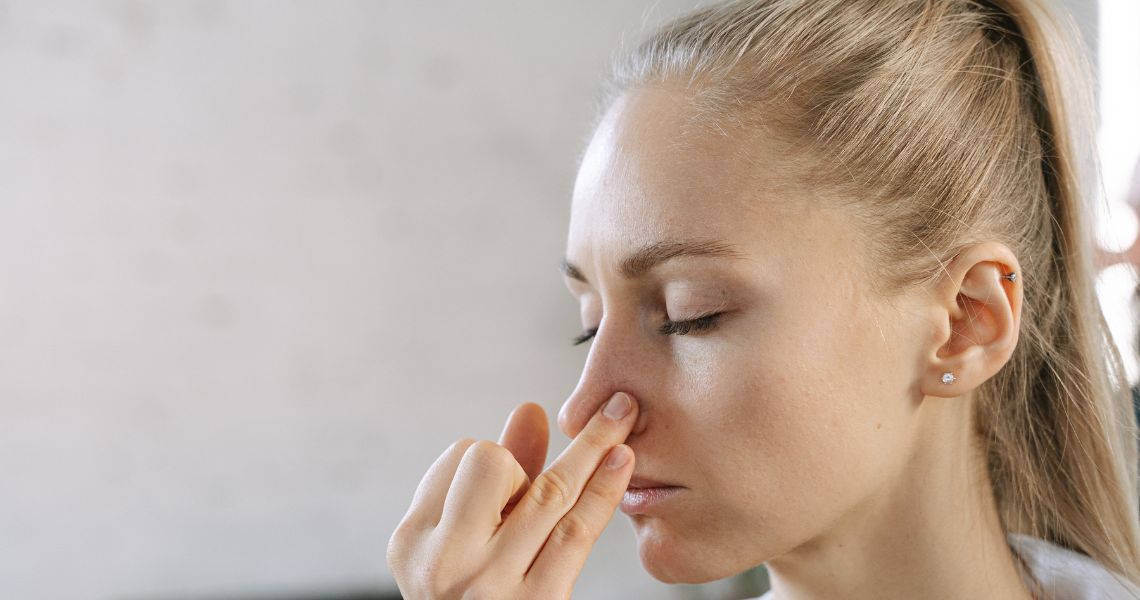
When anxiety kicks in, breathing tends to get shallow and fast. That sends a kind of alarm signal to the brain, which then ramps up the anxiety even more. It keeps going in a loop. But breathing slowly can actually break that loop pretty quickly.
How to do it:
- Breathe in for 4 counts
- Hold for 4 counts
- Breathe out for 4 counts
- Hold again for 4 counts
This is called box breathing. It takes under two minutes. Even one round can take a bit of the edge off. The slow exhale is what does most of the work. It tells your body it’s safe to settle down. Try it next time your chest starts feeling heavy.
2. Use the 5-4-3-2-1 Grounding Technique
Anxiety usually drags your mind toward things that haven’t happened yet. Worrying about tomorrow, next week, what might go wrong. Grounding exercises for anxiety are meant to pull you back to right now, where things are mostly fine.
Here’s how the 5-4-3-2-1 method works:
- 5 things: you can see right now
- 4 things: you can physically touch
- 3 things: you can hear
- 2 things: you can smell
- 1 thing: you can taste
It moves your focus away from the anxious thoughts and onto what’s actually around you. It sounds too simple to work. But try it once when your head is spinning and see what happens. A lot of people are genuinely surprised.
3. Move Your Body Every Day

Exercise is probably the most well-backed natural way to reduce anxiety. When you move, your brain releases chemicals like serotonin and endorphins. These help settle your mood and ease the nervous system down. One large study found that people who stayed active were around 60% less likely to develop anxiety symptoms compared to people who didn’t move much.
You don’t need to run or go to a gym. A 20 to 30 minute walk outside does quite a bit. Some people like yoga, others dance in the kitchen or ride a bike. The trick is finding something you don’t dread. When movement doesn’t feel like punishment, you’ll actually do it. Starting with 10 minutes is totally fine.
4. Watch Your Caffeine Intake
Caffeine quietly makes anxiety worse for a lot of people. It blocks a chemical in the brain that helps you stay calm and at the same time triggers adrenaline. That’s the same hormone that goes up during stressful situations. Many people don’t connect caffeine with their anxiety symptoms but the link is pretty common.
Signs caffeine might be affecting you:
- Feeling jittery or tense after coffee
- Faster heartbeat in the mornings
- Trouble falling asleep at night
- Feeling more anxious or on edge than usual
You don’t have to give up coffee. But if you’re having 3 or 4 cups a day, cutting back slowly over a week might be worth trying. A lot of people notice a real difference when they do.
5. Build a Consistent Sleep Routine

Poor sleep and anxiety go around in circles. Anxiety makes it hard to sleep, and not sleeping enough makes anxiety worse the next day. Getting that sorted is one of the most useful things you can do for your mental health overall.
Most adults need somewhere between 7 and 9 hours. But how you sleep matters too. Going to bed at roughly the same time each night, keeping the room dark and cool, and staying off screens an hour before bed all help. Writing down your worries before sleeping instead of lying there running through them in your head can also make a difference. The link between sleep and anxiety is something a lot of people find useful to understand better, especially if sleep has been a struggle for a while.
6. Try Mindfulness or Simple Meditation
Mindfulness just means paying attention to what’s going on right now without judging it. It takes a bit of getting used to. But even 10 minutes a day has been shown to reduce anxiety symptoms over time.
Easy ways to start:
- Sit quietly for 5 to 10 minutes and focus on your breathing
- When your mind wanders, just bring it back without beating yourself up
- Try a free guided session on YouTube or a basic meditation app
- Practice doing one thing at a time instead of switching between tasks constantly
A 2023 clinical trial found that mindfulness-based stress reduction worked just as well as medication for anxiety in some cases. You don’t need a class or a retreat. A few quiet minutes each day is enough to begin.
7. Set Some Limits on Screen Time
Scrolling through news and social media keeps the brain in a kind of low-level alert mode. It’s hard to wind down when you’ve spent the last hour reading about things that upset or worry you. And the blue light from screens at night also messes with sleep, which circles back to making anxiety worse.
Putting your phone away an hour before bed is a small change that helps more than people expect. Replace it with something quieter. A physical book, calm music, or just sitting with a warm drink. The first few evenings feel a bit strange. But after a while, most people say they fall asleep easier and wake up less wound up. Better sleep means a calmer next day, which is a big part of managing anxiety.
8. Talk to Someone You Trust

Keeping anxiety to yourself tends to make it build up. Saying it out loud to someone you trust usually makes it feel a bit lighter. You don’t need to have it all figured out or explain it perfectly. Just starting the conversation is enough.
A few ways to open up:
- Tell a close friend or family member how things have been lately
- Write it down in a journal if talking feels like too much right now
- Look for a support group, either in person or online
- See a doctor or counsellor if it’s starting to feel too heavy to carry on your own
Staying isolated tends to make anxiety grow. Talking to people, even casually, tends to ease it a bit. If you’ve been thinking about what kinds of support are available for anxiety, there are more options than most people realise.
9. Start Questioning Your Anxious Thoughts
Anxiety usually brings a lot of “what if” thinking. What if I mess up? What if it goes wrong? What if people think badly of me? These thoughts feel true and urgent. But a lot of the time they aren’t accurate.
Cognitive Behavioural Therapy, or CBT, uses a method called cognitive reframing. It’s about looking at your thoughts more closely and asking whether they actually hold up. Some questions that help when anxiety takes over:
- What real evidence do I have that this is true?
- What’s the most likely outcome, honestly?
- If the worst did happen, could I get through it?
This isn’t about forcing yourself to think positively. It’s about slowing down and checking whether your thoughts are fair. With practice, it gets easier to catch anxious thoughts before they spiral.
10. Know When to Ask for Professional Support
Everyday habits genuinely help. But sometimes anxiety is more than habits alone can handle. If it’s getting in the way of work, sleep, or relationships on a regular basis, that’s worth taking seriously.
Signs it might be time to reach out:
- Anxiety that doesn’t ease up even when things are calm
- Panic attacks that come without much warning
- Feeling low or hopeless alongside the anxiety
- Pulling away from people or things you used to enjoy
Getting help is a practical step, not a sign that something is seriously wrong with you. Therapies like CBT, counselling, and other evidence-based approaches have helped a lot of people with both anxiety disorders and everyday anxiety.
Finding Your Path to Calm
Managing anxiety isn’t about finding a “magic switch” that turns off your worries forever. It is about building a toolkit of small, reliable habits that you can lean on when life feels like it is moving a little too fast. Whether it is taking a few slow breaths, stepping away from your phone, or simply being honest with a friend, these steps show that you have more control over your day than you might think.
Be patient with yourself as you try these out. Some days will feel easier than others, and that is perfectly okay. The goal is not to be perfect. The goal is to feel a little more grounded and a little more like yourself every single day.
Reach Out for Support
If you feel like you have tried these steps and still need more help, you do not have to figure it out alone. At The Help Clinic, we provide professional and kind guidance to help you manage anxiety.