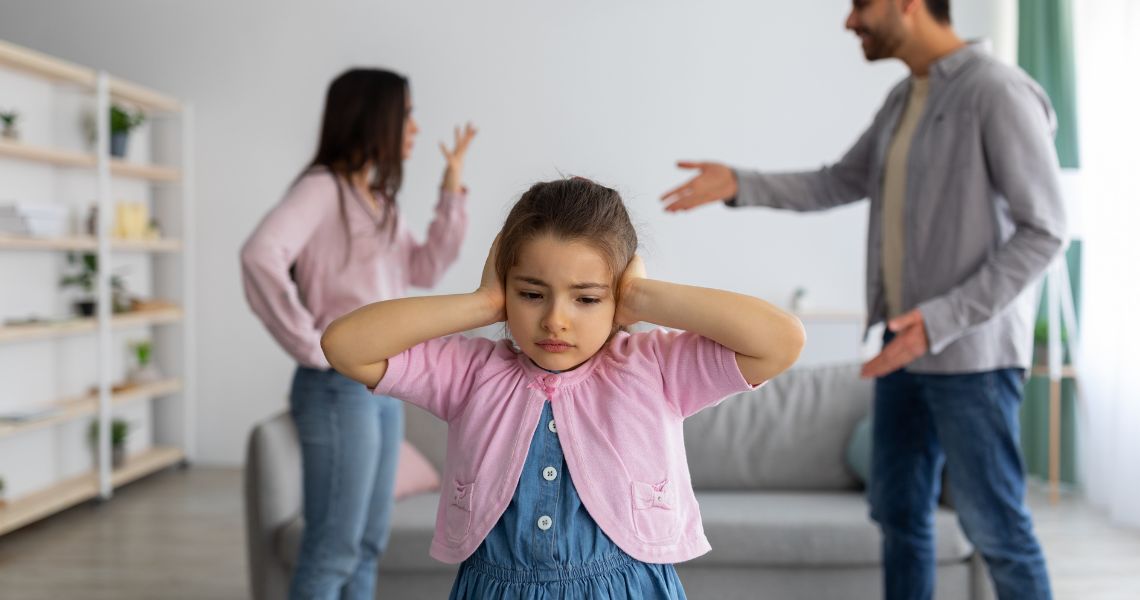
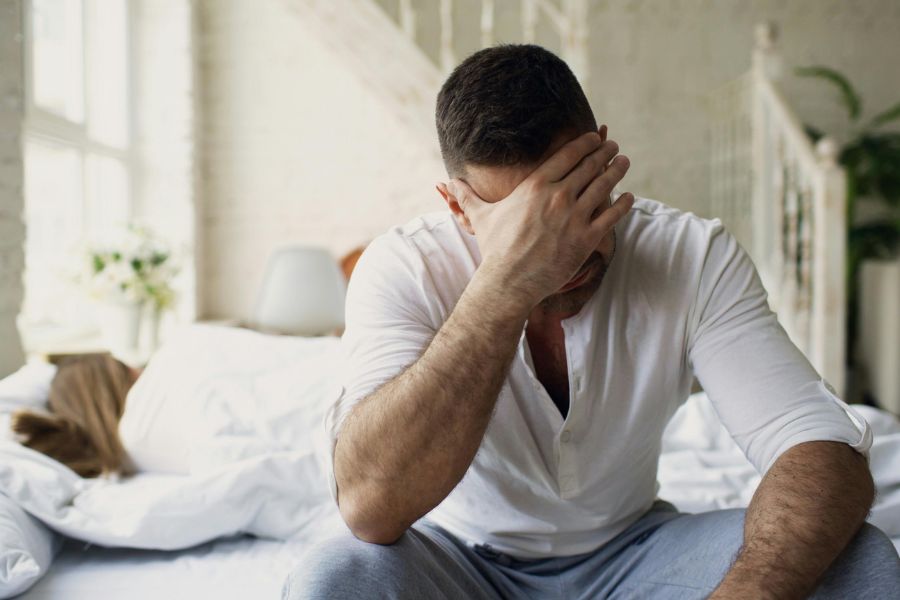
Most people use “stress” and “anxiety” like they mean the same thing. Someone says they are anxious about a deadline when they are actually stressed. Someone else calls constant worry just stress when it is really anxiety. It is an easy mix-up to make.
But they are not the same. And knowing which one you are dealing with matters. It shapes the kind of support you actually need. This guide explains both clearly so you can tell them apart.
What Is Stress?

Stress is your body’s reaction to an outside pressure. It shows up when something in your life demands your attention right now. A deadline. A big argument. Money problems. Your body releases hormones like cortisol and adrenaline. That puts you on high alert.
This is not always a bad thing. A little stress can push you through a tough moment. The problem comes when the pressure keeps building without a break. When stress goes on for weeks or months, it starts to wear you down physically and emotionally.
Common Causes of Stress
- Work overload or tight deadlines: Too much to do in too little time sends your body into overdrive.
- Financial worries: Concerns about bills or debt can sit in your mind all day and feel hard to escape.
- Relationship problems: Ongoing conflict with someone close takes a real emotional toll.
- Major life changes: Job loss, moving house, or even positive changes force you to adjust fast.
- Health concerns: Worry about your own health or a loved one makes it hard to focus on anything else.
- Family responsibilities: Juggling childcare, household tasks, and other demands all at once is exhausting.
Signs of Stress
Physical symptoms:
- Headaches or muscle tension: Pressure builds in your body and often settles in your head, neck, or shoulders.
- Tiredness even after sleep: Stress keeps your nervous system running, so rest does not always feel restful.
- Stomach problems: Your gut and brain are closely linked, so stress often shows up as nausea or cramps.
- Racing heart: Adrenaline speeds up your heartbeat as part of the fight-or-flight response.
- High blood pressure: Long-term stress puts steady strain on your heart over time.
Emotional symptoms:
- Irritability: When you are stretched thin, small things feel much bigger than they are.
- Trouble concentrating: Stress uses up mental energy and leaves little room for clear thinking.
- Feeling overwhelmed: Too many demands at once make even simple tasks feel impossible.
- Forgetfulness: High cortisol can interfere with memory and cause you to lose track of things.
- Withdrawing from people: Socialising can start to feel like just another demand on a full plate.
The key thing with stress: once the pressure is gone, the symptoms usually fade too. The body settles when the cause is removed.
What Is Anxiety?

Anxiety is different. It involves worry, fear, or dread that lingers even when there is no clear cause. You can feel anxious on a perfectly normal day with nothing obvious going on. That is what makes it harder to pin down.
Feeling anxious sometimes is completely normal. A bit of nerves before a job interview or medical result is just part of life. But when anxious feelings become constant and start getting in the way of everyday things, that is when it becomes something worth taking seriously. It can develop into an anxiety disorder.
Common Signs of Anxiety
Emotional signs:
- Constant or excessive worry: The worry does not stop when the situation passes. It keeps going even when there is nothing obvious to worry about.
- Feeling like something bad is about to happen: A low-level sense of dread that sits in the background, even on ordinary days.
- Difficulty stopping “what if” thoughts: The mind keeps jumping to worst-case scenarios and it is hard to pull it back.
- Feeling restless or on edge: A persistent feeling of unease, like you are waiting for something to go wrong.
- Trouble concentrating: Anxiety takes up a lot of mental space, making it hard to focus on what is in front of you.
Physical signs:
- Rapid heartbeat: Your body treats anxiety like a threat, so your heart speeds up even when you are physically safe.
- Shortness of breath: Anxious breathing tends to be shallow and fast, which can make you feel like you cannot get enough air.
- Sweating or trembling: These are physical signs of your nervous system responding to a perceived danger that is not really there.
- Tight chest or stomach discomfort: Tension from anxiety often settles in the chest or gut, making it feel heavy or knotted.
- Difficulty sleeping: An anxious mind finds it hard to switch off at night, which makes falling or staying asleep a real struggle.
Behavioural signs:
- Avoiding people, places, or situations: Avoidance is one of the most common ways anxiety shows up. It feels like relief in the short term but makes things worse over time.
- Repeatedly seeking reassurance: Checking in with others to feel okay is a way of managing anxiety temporarily, but it rarely settles the worry for long.
- Struggling with tasks that used to feel easy: When anxiety is high, even routine things like replying to a message or going to a shop can feel like a big ask.
One thing that makes anxiety harder to deal with is that it often has no clear reason. That can make it confusing and isolating.
Stress vs Anxiety: Side by Side
Here is a simple way to think about it. Stress usually has a source you can point to. Anxiety often does not. Stress tends to ease when the situation changes. Anxiety tends to stay.
| Feature | Stress | Anxiety |
|---|---|---|
| Main cause | External pressure or event | Often no clear trigger |
| Duration | Short-term, fades with the stressor | Long-lasting, can persist for months |
| Emotional tone | Overwhelmed, frustrated, rushed | Persistent worry, dread, fear |
| Physical symptoms | Headaches, fatigue, muscle tension | Racing heart, breathlessness, chest tightness |
| Behaviour | Still functions, may be irritable | May avoid situations, seek reassurance |
| Resolves when | The stressor is removed | Does not always resolve on its own |
Both can share overlapping symptoms. That is why people mix them up. But the root cause and how they behave over time are quite different.
When Does Stress Turn Into Anxiety?

This is a fair question because the two are connected. Long-term stress can actually tip over into anxiety if it never gets a chance to settle.
Think of it like a bucket filling with water. When stress builds and never drains, your body stays stuck in fight-or-flight mode. The nervous system stays on high alert. Over time, that alertness starts to feel permanent, even when the original stressor is gone. That is often how anxiety develops.
This is why taking care of your mental health matters even when things feel just about manageable. If you are unsure how ongoing stress may be affecting your wellbeing, looking into mental health support options can be a useful first step.
Types of Anxiety Disorders
Anxiety is not just one thing. There are several recognised types, each with their own patterns.
- Generalised Anxiety Disorder (GAD): Persistent, hard-to-control worry across many areas of life, most days, for at least six months.
- Panic Disorder: Sudden, intense episodes of fear with strong physical symptoms like chest pain or dizziness.
- Social Anxiety Disorder: Strong fear of being judged or embarrassed in social situations.
- Specific Phobias: Intense, irrational fear of a particular thing or situation.
- Post-Traumatic Stress Disorder (PTSD): Anxiety following a traumatic experience, often with flashbacks or avoidance.
- Obsessive-Compulsive Disorder (OCD): Unwanted repeating thoughts and behaviours that are hard to stop.
Not everyone with anxiety will have a diagnosable disorder. But if worry is regularly getting in the way of daily life, it is worth paying attention to.
How to Manage Stress
Because stress usually has a clear cause, practical action tends to help.
- Name the stressor: Writing it down helps you think more clearly about it.
- Take short breaks: Even 10 minutes away from the pressure can help reset your nervous system.
- Exercise regularly: A 20-minute walk makes a real difference to how you feel.
- Get enough sleep: Stress on top of tiredness is a hard combination.
- Talk to someone: Saying things out loud often helps more than going over it alone.
- Set boundaries: It is okay to say no when demands are piling up.
How to Manage Anxiety

Anxiety often needs a different approach. Because it does not always have one clear cause, problem-solving alone does not always work.
- Breathing exercises: Slow breathing activates your body’s calming response. Try inhaling for four counts, holding for seven, exhaling for eight.
- Grounding techniques: Name five things you can see, four you can touch. This pulls the mind back to the present moment.
- Limit caffeine and alcohol: Both can make anxiety worse over time.
- Challenge the thought: Ask yourself if the worry is based on fact or fear.
- Seek professional support: CBT (Cognitive Behavioural Therapy) is one of the most effective treatments for anxiety. It helps you understand your thought patterns and change them.
If anxiety has been affecting your daily life for more than a few weeks, speaking to someone is not a weakness. It makes good sense. Many people find that talking therapy makes a real difference when anxiety feels too much to manage alone.
Stress and Anxiety in Everyday Life
| Situation | More Likely Stress | More Likely Anxiety |
|---|---|---|
| Nervous before a job interview | Yes | If the dread lasts days with no let-up |
| Worried about money after a bill | Yes | If the worry continues even after it is paid |
| Tense during a busy work week | Yes | If the tension stays even during time off |
| Dreading a social event | Could be either | If it leads to avoiding social situations regularly |
| Lying awake before something big | Yes | If it happens most nights for no clear reason |
This is not a diagnosis. But it can help you notice patterns in your own experience.
You Do Not Have to Figure It All Out Before Getting Help
Stress and anxiety can look very similar. They share symptoms. They both feel awful. And they both deserve to be taken seriously. The difference comes down to where the feeling is coming from and how long it sticks around. Stress is usually a response to the world around you. Anxiety tends to come from within and lasts longer than it should.
Neither one makes you weak. Both are very human. And both can get better. If you have been carrying a lot lately and are not sure where to start, exploring support for anxiety and stress is a practical first move. You do not have to have it all figured out before you reach out.