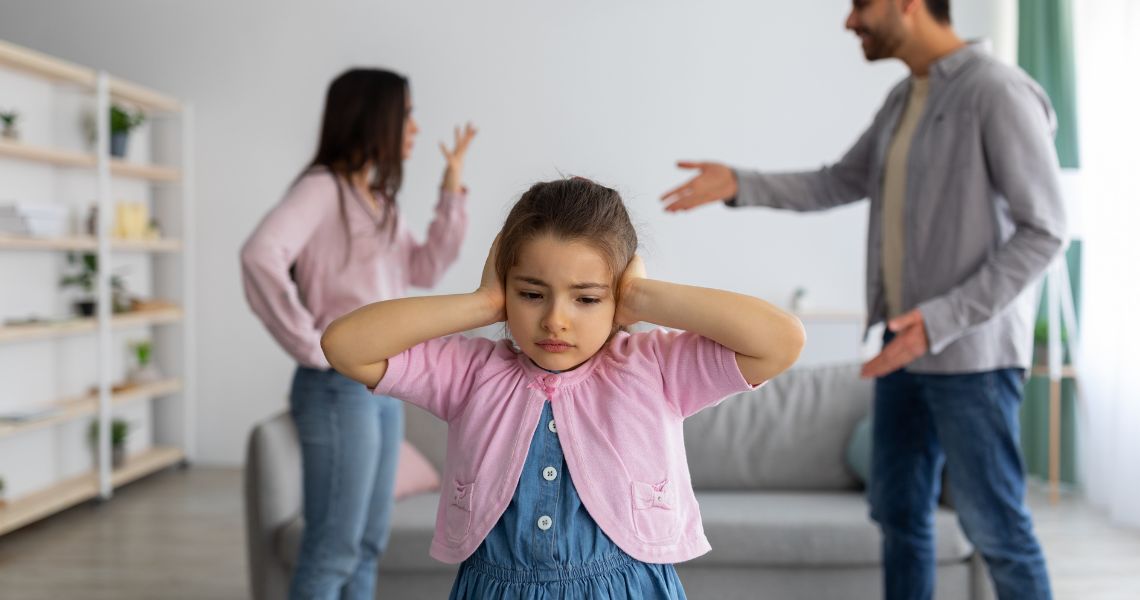

Depression does not have one face. Two people can have the same diagnosis and still act nothing alike. One person cries a lot and cannot get out of bed. Another person keeps working, keeps smiling at meetings, and still feels empty inside. Both are dealing with depression, just in their own way.
This is one of the biggest reasons depression gets missed so often. People expect it to look sad all the time. But sadness is only one small piece of a much bigger picture. If you or someone you know is going through something that does not match the usual picture of depression, that does not mean it is not real. It just means depression rarely follows a script.
What Depression Actually Involves
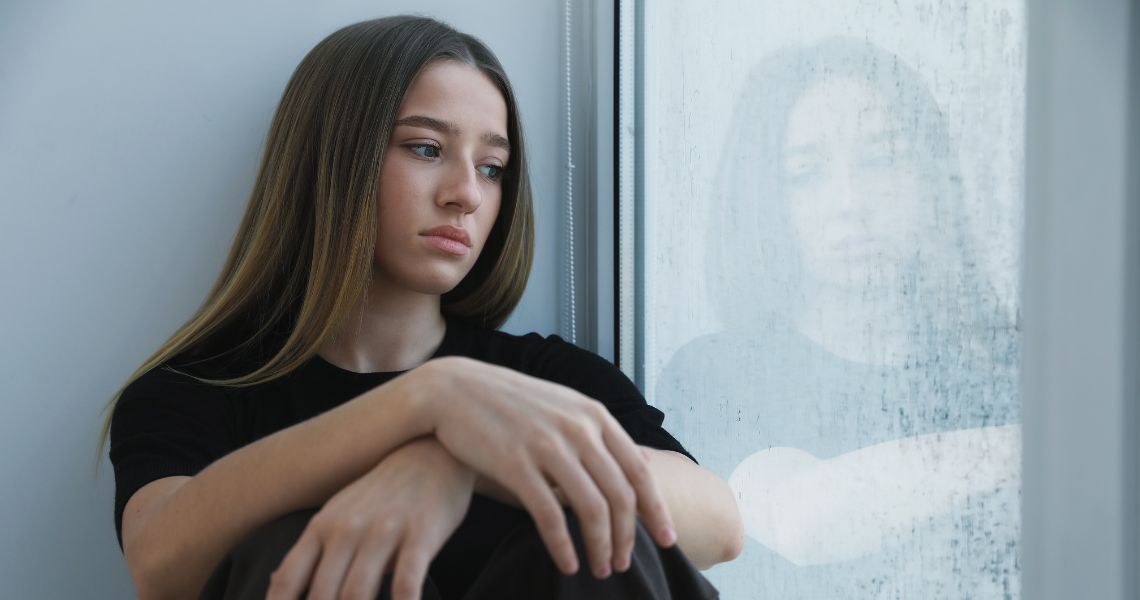
Depression is more than a bad mood that lasts a few days. It is a mental health condition that gets in the way of daily life, changing how a person thinks and feels about pretty much everything. Sleep, appetite, energy, focus, and even the way someone sees their own future, all of it can shift.
What makes it tricky is that these changes do not show up the same way twice. Some people sleep too much. Others barely sleep at all. Some people lose their appetite completely. Others eat more than usual just to feel something. There is no single checklist that fits everyone, which is part of why so many cases go unnoticed or get brushed off as stress.
Common Signs That Often Get Missed
Depression does not always look like crying or staying in bed all day. Here are some signs that are easy to overlook:
- Feeling irritable or snapping at small things
- Losing interest in hobbies that used to feel fun
- Trouble focusing at work or school
- Physical aches like headaches or stomach pain with no clear cause
- Feeling tired even after a full night of sleep
- Pulling away from friends and family without really meaning to
- Feeling numb instead of sad
Any one of these on its own might mean nothing. But when a few of them stick around for weeks, it is worth paying closer attention.
Why Depression Shows Up Differently in Each Person
A lot of factors shape how depression looks in someone. Genetics play a role, but so do upbringing, culture, personality, and even the type of job a person has. Someone who grew up being told to hide their feelings might mask depression behind a busy schedule, staying booked solid so nobody asks questions. In a different household, where feelings were talked about at the dinner table, that same person might have learned to just say what they’re going through.
Brain chemistry is not identical from person to person either. Two people with depression can have different patterns of neurotransmitter activity, which explains why the same medication can help one person a lot and barely touch someone else’s symptoms. This is part of why treatment often needs a bit of trial and error and why working with a professional through options like depression therapy can help figure out what actually fits a specific person instead of guessing alone.
Depression in Men vs Women
Research shows depression can present in noticeably different ways depending on gender, though these are general patterns and not rules.
| Common Pattern | Often Seen In |
|---|---|
| Sadness, crying, guilt | More commonly reported by women |
| Anger, irritability, risk-taking | More commonly reported by men |
| Talking about feelings openly | More common in women |
| Withdrawing and going quiet | More common in men |
| Physical complaints like fatigue or pain | Reported by both, but often dismissed in men |
These patterns are not fixed rules. Plenty of men cry and plenty of women get irritable instead of sad. But understanding these general tendencies helps explain why depression in men sometimes gets missed for longer, since anger looks less like what people expect depression to be.
How Age Changes the Picture

Depression does not look the same at every stage of life either.
- Children often show it through tantrums, clinginess, or stomachaches instead of talking about sadness
- Teenagers may seem irritable, isolate in their room, or lose interest in school and friends
- Young adults often struggle quietly while trying to keep up appearances at work or college
- Middle-aged adults may focus more on physical symptoms like fatigue and body aches
- Older adults sometimes show memory problems or confusion that gets mistaken for something else entirely
Parents who notice sudden changes in their child’s mood or behavior often wonder if it’s just a phase, but there are usually signs your child may benefit from therapy long before a parent expects it, since kids rarely say “I feel depressed” out loud.
When Depression Hides Behind Other Feelings
Sometimes depression does not look like depression at all. It can show up as constant worry that overlaps with anxiety, or anger that seems to come out of nowhere for no real reason. Other times it hides in the body itself, since the mind and body are more connected than most people realize.
This overlap is one reason depression and anxiety often show up together. Someone might spend more energy trying to manage racing thoughts and worry than they do thinking about sadness, so anxiety therapy sometimes becomes part of the picture too. The two conditions can feed into each other, making it harder to untangle what is actually going on without some outside help.
When It's Time to Reach Out for Help
There is no perfect moment to ask for support, but a few signs make it worth reaching out sooner rather than later:
- Symptoms have lasted more than two weeks
- Daily tasks like work, school, or chores feel harder than usual
- Relationships are being affected
- There are thoughts of self-harm or feeling like a burden
- Nothing seems to bring any relief, even things that used to help
Talking to one of the therapists at The HELP Clinic can help sort through what is actually happening, since an outside perspective often catches patterns that are hard to see from the inside.
You Don't Have to Match Anyone Else's Depression

Depression is not one experience. It is many experiences that happen to share the same name. One person cries, another goes numb, another gets angry over small things, and someone else just feels worn out for no reason they can point to. None of these versions are more real than the others.
If something feels off, even if it does not match what depression is “supposed” to look like, it is worth taking seriously. The team at The HELP Clinic works with individuals, couples, and families across South Ogden and nearby areas, and support usually starts sooner than people expect. Reach out today to talk with someone who can help you figure out what you are actually dealing with.
Frequently Asked Questions
Can someone have depression without feeling sad?
Yes. Depression can show up as numbness, irritability, fatigue, or physical pain instead of sadness. Sadness is common, but it is not required for a depression diagnosis.
Why do men and women often show depression differently?
Social expectations, upbringing, and even biology play a role. Men are often raised to hide emotions like sadness, so depression can come out as anger or withdrawal instead.
Is it normal for depression to come and go instead of staying constant?
Yes, depression does not always feel the same every day. Some days might feel manageable while others feel much heavier, and that shift does not mean the depression is not real.
How long do symptoms need to last before it's considered depression?
Most mental health professionals look for symptoms lasting two weeks or longer, along with a noticeable change in daily functioning, before considering a depression diagnosis.
Can depression show up as physical symptoms like headaches or stomach pain?
Yes, this is more common than people think. The connection between mind and body means depression can show up as fatigue, headaches, digestive issues, and other physical complaints with no obvious medical cause.