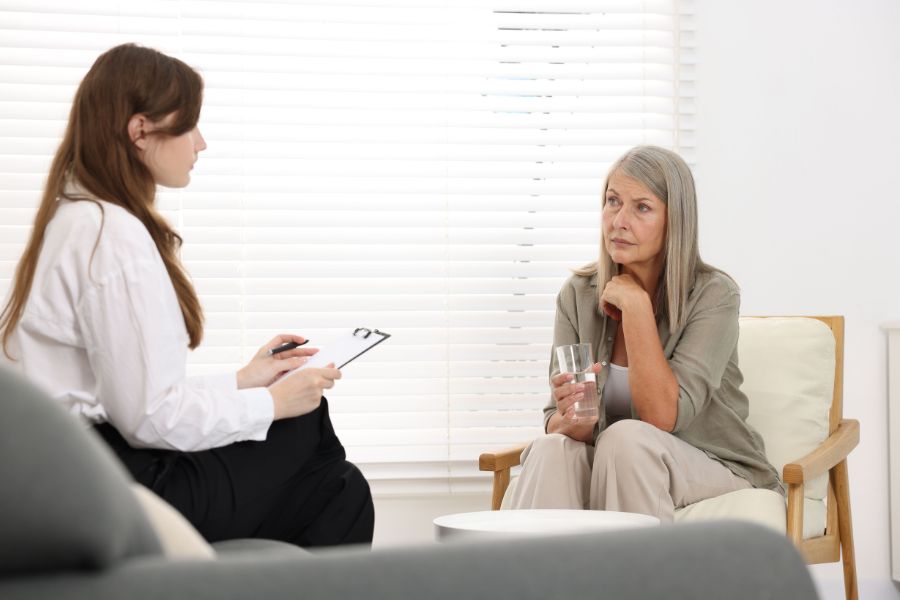
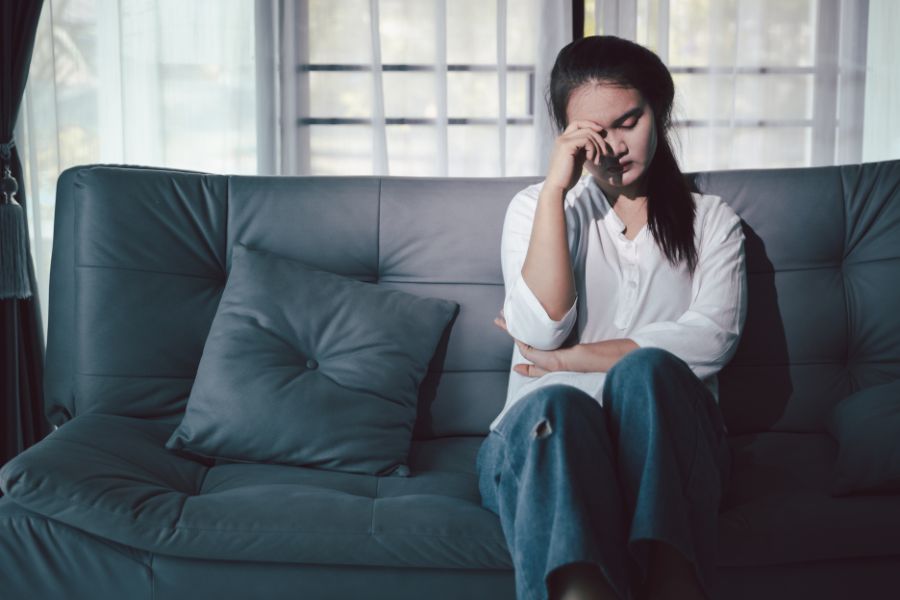
Depression is a deeply human experience. It can affect anyone, regardless of age or background, yet research consistently shows that women experience depression more often than men. This difference is not about emotional strength or resilience. It reflects how biology, life stages, social expectations, and personal experiences intersect over time.
For a depressed girl trying to understand her emotions, or for a woman quietly carrying the weight of daily responsibilities, knowing why depression is more common in women can feel validating. It helps remove self-blame and replaces it with understanding. When we talk openly about depression in women, we create space for compassion, early support, and healing.
Understanding Depression
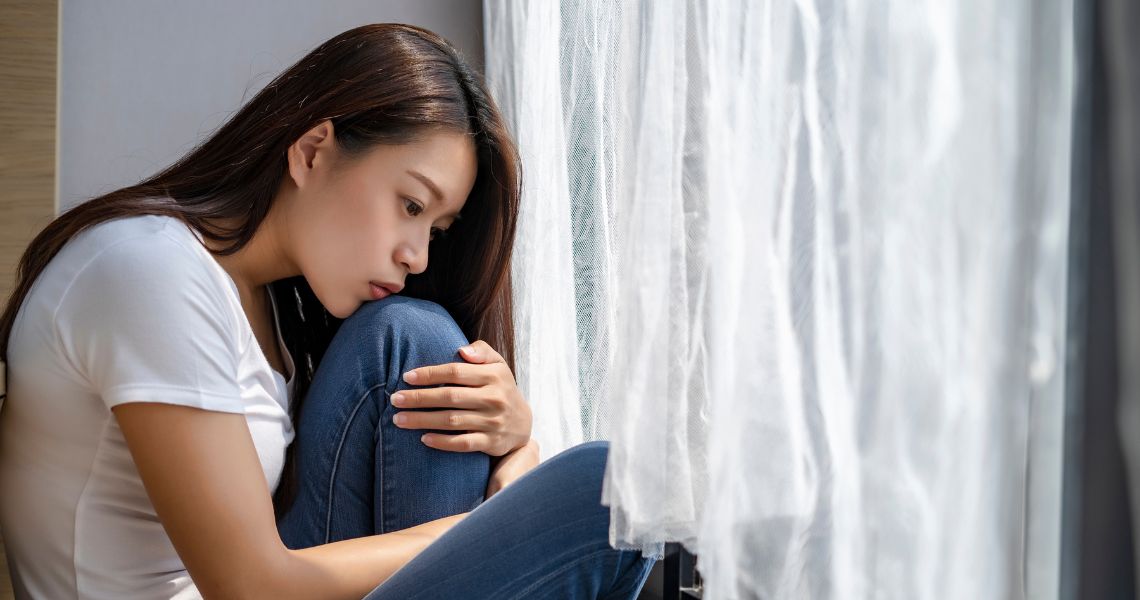
Depression is not simply feeling sad or having a bad day. It is a mental health condition that affects mood, energy, thinking, and the ability to function in everyday life. Women experiencing depression may feel persistent sadness, emotional numbness, exhaustion, loss of interest in activities, sleep disturbances, or feelings of guilt and worthlessness.
Often, women continue meeting their responsibilities while struggling internally. A depressed girl may still attend school and socialize, while an adult woman may continue caring for family and working, even as her emotional reserves run low. This ability to “keep going” can sometimes delay recognition and support.
Depression Statistics and Global Perspective
Global data reinforces what many clinicians and families observe. According to the World Health Organization, depression affects around 5% of adults worldwide. However, women are affected at significantly higher rates than men. Approximately 6.9% of women experience depression compared to 4.6% of men, meaning women are about one and a half times more likely to be diagnosed.
The gap widens during certain life stages. WHO also reports that more than 10% of women experience depression during pregnancy or after childbirth. These depression statistics highlight how closely women’s mental health is linked to biological transitions and social circumstances.
Reasons Why Depression Is More Common in Women
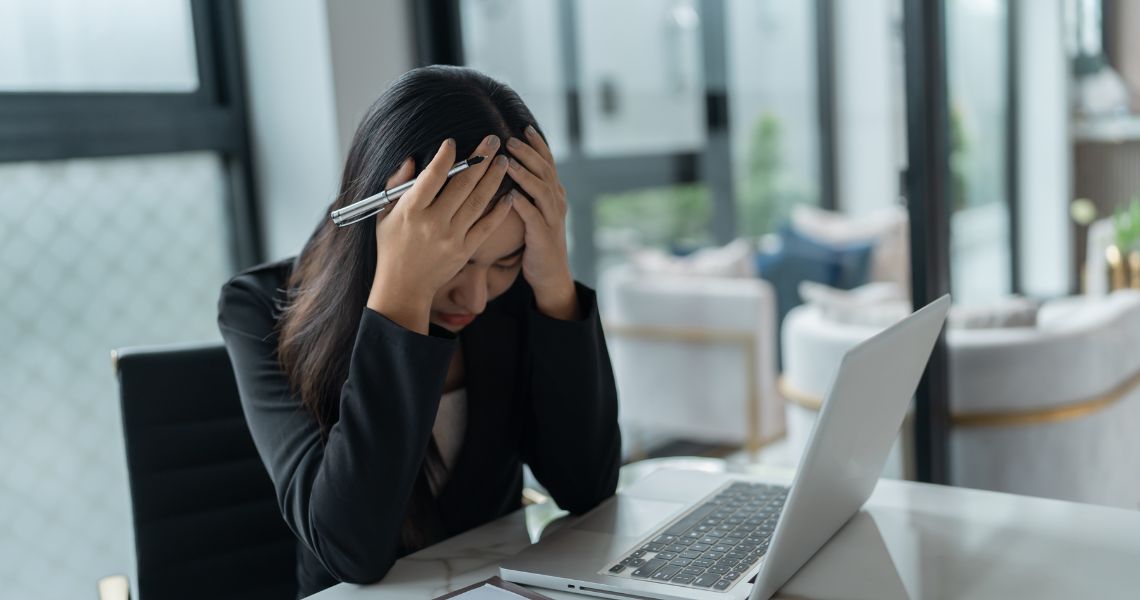
Depression in women does not have a single cause. Instead, it develops through a combination of biological sensitivity, hormonal changes, emotional labor, and lived experiences. The following life stages and factors help explain why women face a higher risk.
1.Puberty and Adolescence
Before puberty, boys and girls experience depression at similar rates. The difference emerges during adolescence, when girls begin to show higher levels of depressive symptoms. Puberty brings rapid hormonal changes alongside emotional and social challenges. Body image concerns, academic pressure, changing friendships, and increased self-awareness can all affect emotional well-being.
For a depressed girl, this period can feel especially confusing. Emotions may feel intense and overwhelming, while the ability to explain or seek help is still developing. Early emotional distress during adolescence can increase the risk of depression later in life if left unsupported.
2.PMS and Cyclical Hormonal Changes
Many women experience emotional changes linked to their menstrual cycle. Hormonal fluctuations before menstruation can influence neurotransmitters such as serotonin, which play a key role in mood regulation. For some women, this results in irritability, sadness, anxiety, or low motivation.
In more severe cases, premenstrual dysphoric disorder (PMDD) can cause intense depressive symptoms that interfere with daily functioning. Repeated monthly emotional distress can contribute to longer-term depression, particularly when these experiences are dismissed or misunderstood.
3.Pregnancy and Emotional Transitions
Pregnancy involves profound physical and emotional changes. While it is often described as a joyful time, it can also bring uncertainty, vulnerability, and emotional strain. Shifts in hormones, changes in identity, concerns about the future, and physical discomfort all affect mental health.
According to WHO data, more than one in ten women experience depression during pregnancy. This type of depression is frequently overlooked because of the expectation that pregnancy should be a happy experience. Many women feel guilt for struggling emotionally, which can delay seeking help.
4.Postpartum Depression
Postpartum depression is one of the most common yet misunderstood forms of depression in women. After childbirth, hormonal levels change rapidly, sleep is disrupted, and the demands of caring for a newborn can feel overwhelming.
Postpartum depression goes beyond temporary mood swings. It may include persistent sadness, anxiety, emotional numbness, difficulty bonding with the baby, or feelings of inadequacy. Without support, women may feel isolated or believe they are failing as parents, when in reality they are experiencing a treatable mental health condition.
5.Perimenopause and Menopause
Perimenopause and menopause mark another period of increased emotional vulnerability for many women. During this stage, fluctuating and eventually declining estrogen levels can affect brain chemistry and mood regulation, making some women more sensitive to stress, low mood, or emotional instability. Physical symptoms such as hot flashes, fatigue, sleep disturbances, and changes in energy levels can further strain emotional well-being.
At the same time, many women experience significant life transitions during midlife. Career pressures, caring for aging parents, relationship changes, or children becoming independent can all add emotional weight. When these personal shifts occur alongside hormonal changes, the risk of depression can increase, particularly if women feel unsupported or overwhelmed.
6.Social and Cultural Expectations
Social and cultural expectations play a powerful role in depression in women. From an early age, many women are encouraged to prioritize the needs of others, manage emotional responsibilities, and maintain harmony in relationships. Over time, this constant emotional labor can lead to exhaustion, burnout, and a sense of invisibility.
Women are also more likely to face gender inequality, workplace discrimination, financial insecurity, and limited opportunities for advancement. Balancing professional demands with caregiving responsibilities often leaves little room for rest or self-care. When emotional distress is normalized or dismissed as “just part of being a woman,” many women delay seeking help, allowing depression to deepen.
7.Healthcare Utilization and Diagnosis Rates
Differences in healthcare use also help explain why depression is diagnosed more often in women. Women are generally more likely to seek medical care, attend regular checkups, and talk openly about emotional concerns. This increases the likelihood that symptoms of depression will be noticed, discussed, and formally diagnosed.
Women also have more contact with healthcare services during life stages such as pregnancy, postpartum care, and menopause, creating additional opportunities for screening and support. In contrast, men may delay seeking help or express distress in less recognizable ways, which can lead to underdiagnosis. As a result, depression statistics reflect not only who is affected, but also who is more likely to seek and receive care.
8.Trauma, Violence, and Chronic Stress
Women are statistically more likely to experience gender-based violence, including domestic abuse and sexual assault. Trauma is a significant risk factor for depression, particularly when it occurs repeatedly or without adequate emotional support.
Even when trauma is not recent, its psychological impact can persist for years. Chronic stress related to unsafe environments, relationship difficulties, or ongoing fear can deeply affect emotional well-being and increase vulnerability to depression.
How Depression May Present Differently in Women
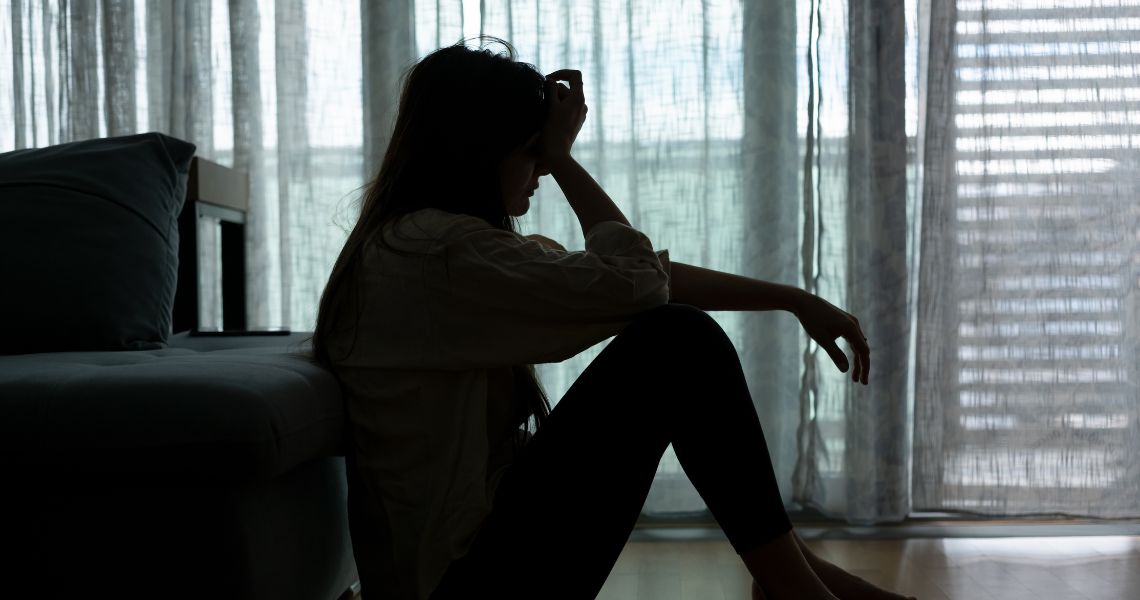
Women often express depression through sadness, tearfulness, guilt, self-blame, or withdrawal. They may internalize emotional pain and feel responsible for their struggles. Because women are generally more likely to talk about emotions and seek professional help, they are also more likely to be diagnosed.
Men, on the other hand, may express depression through anger, irritability, or substance use, which can mask underlying emotional distress. These differences in expression help explain why depression statistics show higher rates in women, even though depression affects people of all genders.
A Thought to Keep in Mind
Depression is a complex condition, and there is no single reason why it affects women more often than men. Mental health is shaped by a combination of biological, psychological, and social factors, and research continues to evolve in this area.
Current evidence suggests that biological influences, including hormonal changes across different life stages, play an important role in depression in women. At the same time, cultural expectations, gender roles, and ongoing social pressures shape how emotional distress is experienced and supported. It is also important to recognize that depression in men may be underdiagnosed, as men are less likely to seek help or may express symptoms differently.
Keeping this broader perspective helps us approach depression with empathy rather than assumptions and reminds us that support and understanding are essential for everyone.
Understanding Depression with Empathy and Care
Depression is more common in women not because they are weaker, but because their lives often involve unique biological transitions, emotional responsibilities, and social pressures that shape mental well-being over time. Understanding these factors helps replace judgment with empathy and reminds us that depression is a health condition, not a personal failing. With awareness and timely support, recovery is possible, and no one has to face depression alone.
If you or someone you care about is struggling, speaking with a trained mental health professional can offer clarity and support in a safe, compassionate space. You can learn more about our approach to care by visiting our Mental Health Services page or reaching out to The Help Clinic for guidance tailored to your needs.
Frequently Asked Questions
Why do so many women have mental health issues?
Women experience mental health challenges more often due to a combination of biological, psychological, and social factors. Hormonal changes across different life stages, caregiving responsibilities, social and cultural expectations, exposure to chronic stress, and higher rates of trauma can all increase vulnerability. Women are also more likely to seek help, which means their concerns are more often identified and recorded.