

Depression is more than just feeling sad or having a bad day. It is a medical condition that can affect how you think, feel, and handle everyday life. Many people do not realize they are experiencing it because the signs can be subtle or hidden.
Some depression signs can easily go unnoticed, especially when someone keeps up with work, school, or social life while feeling empty inside. This is why mental health awareness is so important. Understanding these hidden signs early can make it easier to get support before things get worse.
In this blog, you will get to learn about what depression is, some of the most common depression signs that often go unnoticed, and how it can show in your feelings and behavior. You will also find out why people sometimes miss these signs, when it is the right time to talk to a professional, and how therapy and support can help you feel better and manage everyday life.
What Is Depression?

Depression is more than just feeling sad or having a rough day. It is a medical condition that affects your mood, thoughts, and daily life. Unlike normal sadness, clinical depression lasts longer and makes it hard to enjoy things you used to like. It can make simple tasks feel overwhelming and can affect your energy, focus, and motivation. Many people think depression is a weakness or something you can just snap out of, but that is not true. Understanding the difference between regular sadness and depression symptoms is an important part of mental health awareness.
Depression can come in different forms, such as short-term intense episodes or long-lasting low moods. It can be influenced by factors like brain chemistry, family history, and life stress. Common myths suggest people with depression are lazy or just negative, but the reality is that it affects the brain and body in real ways. Recognizing the signs early and seeking help can make it easier to manage and live a fuller, healthier life.
Common Symptoms That Often Go Unnoticed

There are certain common symptoms that lots of people often make the mistake of ignoring them, thinking that it’s just a normal short-term phase that will pass. However, that’s not the case; when not treated, these symptoms get much worse. So, it is extremely important that you learn about the common symptoms that often go unnoticed.
1. Persistent Fatigue Or Low Energy
Feeling drained all the time can be more than just being busy. Fatigue from depression often means feeling tired even after enough sleep and waking up without feeling refreshed. Simple things like getting dressed, answering messages, or finishing small chores can feel overwhelming. Many people blame work, parenting, or stress, so these low-energy symptoms are easy to brush off. Medical tests may come back normal, which adds to the confusion. This kind of exhaustion affects both the body and the mind, making daily life feel heavier than it should.
2. Trouble Sleeping Or Restless Nights
Sleep can change in quiet but serious ways when someone is struggling. Sleep problems and depression may show up as sleeping too much or too little. You might have trouble falling asleep, wake up often during the night, or open your eyes very early and not be able to go back to sleep. Even after many hours in bed, you may still feel worn out. Because many people deal with stress and busy schedules, these insomnia signs are often brushed aside. Over time, poor sleep can make your mood lower and days feel harder to manage.
3. Loss Of Interest In Hobbies
One common but hidden sign is no longer enjoying activities you once liked. Loss of interest in depression can make hobbies feel dull or pointless, even if they once brought real joy. You may feel bored or unmotivated most of the time and start canceling plans or skipping activities. Friends might think you are just busy or going through a phase. Over time, this emotional numbness grows, and things that used to feel fun now feel empty. These anhedonia symptoms can slowly take the color out of daily life without you fully noticing it.
4. Struggling To Concentrate
Struggling to concentrate can feel like your mind is stuck in a fog. Concentration problems, depression may show up as trouble focusing on work, school, or daily tasks that used to feel simple. You might forget appointments, misplace things, or make more mistakes than usual. Reading, watching a show, or following a conversation can take much more effort. Many people blame stress or lack of sleep, so these focus issues often go unnoticed. Over time, this mental slowdown can hurt confidence and make even small responsibilities feel overwhelming.
5. Unexplained Physical Aches
Sometimes depression shows up in the body before it shows up in thoughts. Many people deal with headaches, back pain, or stomachaches without a clear cause, even after normal checkups. These aches can move around or feel different each day. It may feel like regular tiredness at first, but the discomfort keeps coming back. These physical symptoms of depression are real, not imagined. Some people also notice ongoing muscle soreness or chest tightness. When body pain from depression is involved, symptoms often don’t improve with regular care, rest, or basic treatment.
6. Changes In Appetite Or Weight
Depression can quietly change the way a person eats. Some people start eating much more or much less than usual without even thinking about it. Meals may feel unimportant, or food may become a way to fill an empty feeling. Over time, this can lead to noticeable weight gain or loss that does not match normal habits. These depression appetite changes are not about willpower. A sudden weight change depression sign can also come with low energy, poor sleep, or feeling full quickly. When eating patterns shift for weeks, it is often more than just a busy schedule.
7. Irritability Or Mood Swings
Depression does not always look like sadness. Sometimes it shows up as feeling unusually frustrated or angry over small things, like noise, traffic, or simple questions. A person may snap quickly or feel annoyed all day without knowing why. These irritability signs can be confusing for both the person and the people around them. Emotional reactions that seem stronger than normal, such as yelling or shutting down suddenly, are also common. With mood swings and depression, feelings can shift fast from calm to upset. Afterward, there is often guilt, which makes the emotional weight even heavier.
Signs In Feelings And Behavior People Often Ignore

There are certain signs in a person’s feelings and daily behavior that should never be brushed aside. These changes may seem small at first, but they can point to deeper emotional struggles.
- Quick Anger: Irritability or mood swings that feel stronger than the situation, snapping over small things, staying on edge most of the day, and feeling guilty afterward.
- Pulling Away: Social withdrawal or isolation, avoiding calls and plans, losing interest in spending time with others, and choosing to stay alone even without a clear reason.
- Heavy Thoughts: Feeling hopeless or worthless often, harsh self-talk, blaming yourself for everything, and believing nothing will improve, no matter what you do.
- Numbing Habits: Increased use of alcohol or other substances to escape thoughts, relying on them to relax or sleep, and slowly needing more to feel the same relief.
- Body Changes: Changes in appetite or weight, eating much more or much less than usual, noticeable weight gain or loss, and feeling disconnected from normal hunger cues.
Why People Often Ignore Or Miss These Symptoms
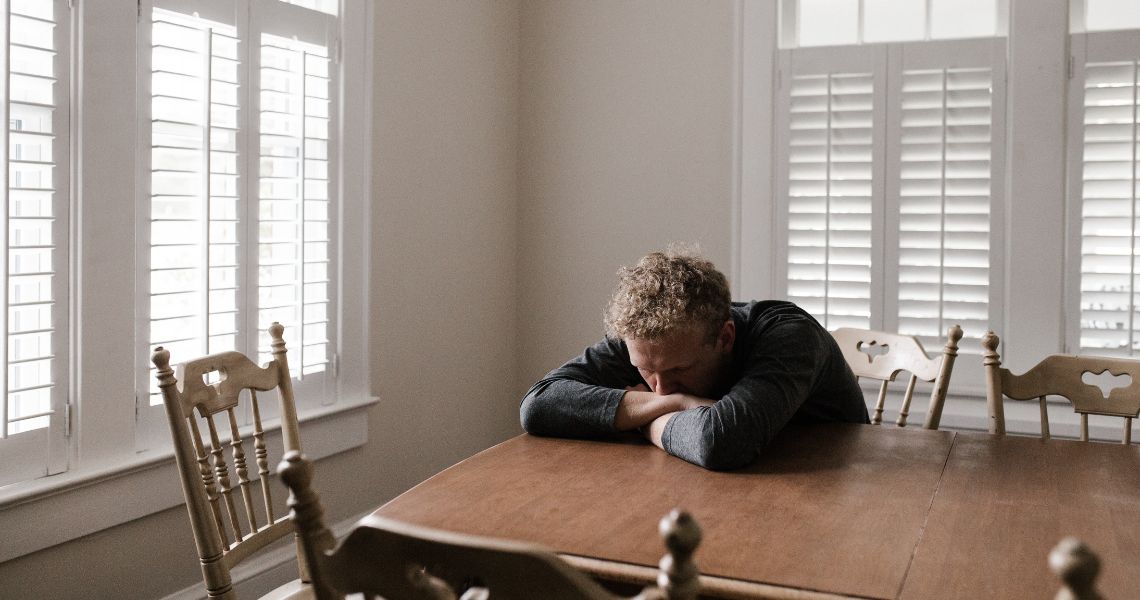
There are many people who overlook emotional changes because they do not match what they think depression looks like. Instead of deep sadness, they may just feel tired, distracted, or unmotivated. People may mistake them for stress or fatigue from work, family duties, or lack of sleep. Since symptoms can be subtle and gradual, they blend into daily life. A person slowly adjusts to feeling “off” and starts calling it normal. These missed depression symptoms often hide behind busy schedules and daily responsibilities.
Another reason is the lack of mental health awareness in everyday conversations. Many people were never taught how to recognize emotional warning signs. Social stigma around talking about feelings also keeps people quiet. They may worry about being judged or misunderstood. Instead of opening up, they push their thoughts aside and tell themselves to handle it alone.
When It’s Time To Talk To A Professional

There comes a point when trying to handle everything alone only makes things heavier. If your mood has changed and it is not improving, talking to a counselor or therapist can make a real difference. Getting outside help does not mean you are weak. It simply means you deserve proper care. Choosing to get help for depression is a step toward feeling steady again and building stronger mental health support.
- Lasting Sadness: Persistent sadness or loss of interest that stays most of the day, nearly every day, for weeks. Hobbies feel pointless, joy feels distant, and even good news does not help. You may feel emotionally flat and disconnected.
- Daily Struggles: Interference with daily life or work that affects focus, deadlines, or attendance. Simple tasks feel overwhelming, small problems seem huge, and responsibilities start piling up. You may struggle to complete basic routines you once handled easily.
- Hopeless Thoughts: Thoughts of self-harm or hopelessness, even if they seem passive or fleeting. You might feel like others would be better off without you or believe nothing will ever improve. Your mind may focus more on escape than solutions.
- Sleep Changes: Major shifts in sleep patterns, such as insomnia or sleeping far more than usual. You may lie awake for hours thinking or wake up often during the night. Even after a long sleep, you still feel drained.
- Energy Loss: Ongoing low energy that does not improve with rest. Your body may feel heavy, movements slower, and your mind foggy. Every day decisions, even small ones, feel exhausting and require far more effort than before.
- Physical Complaints: Ongoing aches, headaches, or stomach issues without a clear medical cause. You may visit doctors repeatedly but receive normal results. The discomfort feels real and persistent, adding frustration and making daily life harder to manage.
- Social Pullback: Withdrawing from friends and family more than usual, avoiding calls, texts, or plans. You may cancel at the last minute or stop reaching out altogether. Even in a group, you can feel distant, quiet, and emotionally separate.
How Therapy And Support Can Help
Talking to a trained professional gives you a place where you can speak freely without fear of judgment. Counseling helps explore feelings in a safe space and sort through thoughts that feel confusing or overwhelming. A therapist can help you understand patterns, manage stress, and respond differently to negative thinking. Over time, this builds confidence and emotional balance. Good depression treatment is not about quick fixes but steady progress that feels realistic and personal.
Support from friends and family also matters more than many people realize. Simple check-ins, shared meals, or honest conversations can ease loneliness. Along with therapy, small daily habits can improve mood, like regular sleep, short walks, and balanced meals. There are many treatment options available and effective, including counseling, group support, and medication when needed. With the right support for mental health, recovery becomes possible and manageable.
Wrapping Up: Understanding Depression And Its Signs
Depression is common, and it does not always look the way people expect. It can stay hidden behind normal routines and quiet struggles. You learned how unexplained physical aches can be early warning signs, how changes in appetite or weight can signal deeper issues, and how irritability or mood swings can replace sadness. We also covered emotional and behavioral changes people ignore, why symptoms are often missed, when it is time to talk to a professional, and how therapy and support can help. Early recognition matters, and it is always okay to reach out for help.
We at The HELP Clinic provide compassionate counseling for individuals, couples, and families facing depression, anxiety, and life stress. If you notice ongoing symptoms, it is okay to reach out. We are here to listen and guide you. Call 801-458-1356 or email [email protected] to begin.