
Most couples wait too long to ask for help. They wait until the fighting is so loud the neighbours can hear it, or until one partner already has one foot out the door. By then, the hurt runs deep, and healing takes a lot longer.
It does not have to happen that way. Marriage counseling works best when a couple starts before things fall apart, not after. Think of it less like an emergency room visit and more like a regular checkup. You do not wait until your body breaks down to see a doctor. Your marriage deserves that same kind of care.
At The HELP Clinic, we work with a lot of couples, and one thing stands out again and again: couples who start marriage counseling early usually have an easier road than couples who wait until everything feels like it is falling apart.
Let’s talk about why timing matters so much, and how you can tell it might be the right moment to reach out.
Why Couples Wait So Long
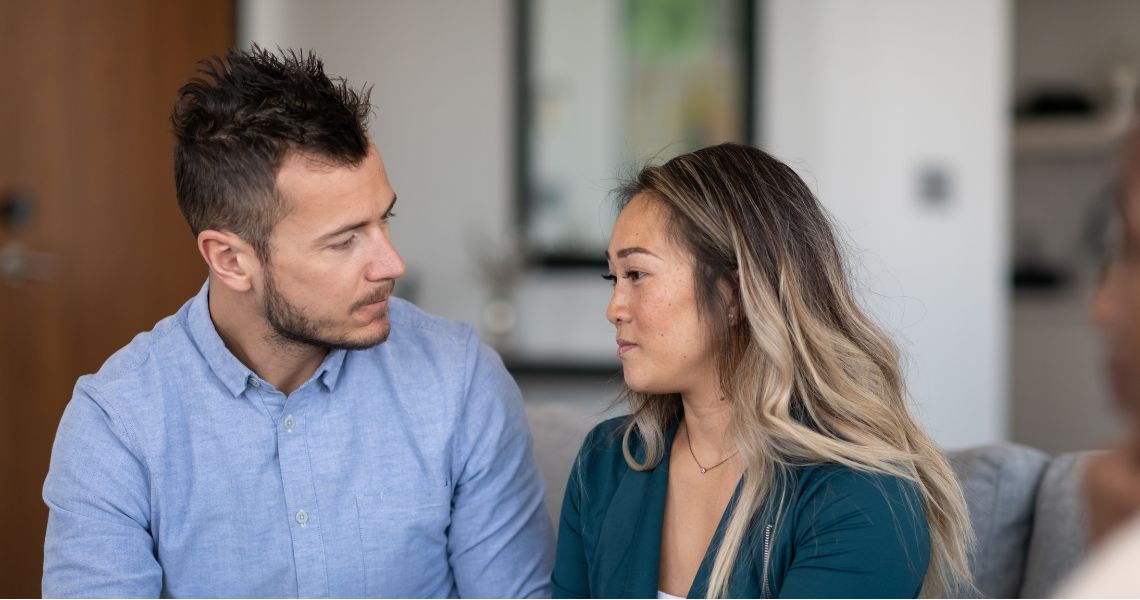
There is a strange kind of thinking that goes something like this: “Things are not that bad yet.” Or, “counseling is only for couples about to get divorced.” Neither of those is really true, but the idea still stops a lot of people from picking up the phone.
Here are some common reasons couples put off getting help:
- They think asking for help means the marriage has already failed
- They believe the problem will fix itself with time
- One partner is ready, but the other is not
- Life is busy with work, kids, and bills, so counseling keeps getting pushed to “someday”
- They are nervous about what a counselor might say about their relationship
None of these reasons is bad or foolish. They are simply human. But every week a couple waits, small problems get more time to grow into big ones.
Small Cracks Turn Into Big Breaks
Picture a small crack in a car windshield. At first, it is tiny. You barely notice it. But every bump in the road makes it a little bigger. Ignore it long enough, and one day that small crack spreads across the whole windshield.
Marriages work in a similar way. A small disagreement about chores can turn into a pattern of feeling unappreciated. One missed apology can turn into weeks of silence. A little stress from work can spill over into snapping at each other over nothing.
None of these problems started out as a crisis. They became one because nobody stopped to deal with them early.
When couples come in for couples and marriage counseling before things get serious, the “cracks” are still small. That makes them far easier to repair.
Here’s a simple way to picture the difference:
| What It's Like | Starting Early | Waiting Until Crisis |
|---|---|---|
| Size of the issues | Small, everyday disagreements | Long-standing, tangled-up patterns |
| Communication | Still open on both sides | Often shut down or defensive |
| Trust | Mostly intact | May already feel damaged |
| Emotional distance | A small gap, easier to close | A wide gap that takes longer to close |
| Typical timeline | Often fewer sessions needed | Usually more time to rebuild |
What Counseling Looks Like Early On

Many people picture counseling as two people arguing while a therapist tries to keep the peace. That is usually not what it looks like, especially when a couple starts early.
In the first few sessions, your therapist gets to know both of you and your history together. From there, you start learning real tools, not just talking in circles about the same problems. Some of what happens in early counseling includes:
- Learning how to talk about hard topics without it turning into a fight
- Understanding what your partner really needs, even when they struggle to say it out loud
- Practicing ways to reconnect emotionally, not just solve logistics
- Rebuilding trust before it takes a serious hit
One method many therapists use is called Emotionally Focused Therapy, or EFT for short. In simple terms, EFT helps couples figure out what is really going on underneath an argument. Most fights are not truly about the dishes or the budget. They are about feeling unseen, unheard, or unimportant. EFT helps couples reach that deeper layer so they can fix the real issue, not just argue about the surface one.
The Benefits of Starting Early
Couples who begin marriage counseling before a crisis hits tend to see a few clear benefits.
Faster progress. When patterns have not had years to set in, they are much easier to change.
Less blame, more teamwork. Early on, both partners are usually still willing to look at their own part in the problem, instead of only pointing fingers at each other.
Less tension at home. Working through issues calmly helps the whole household feel more at peace, including any kids in the home.
A stronger foundation for the future. Learning good communication now means you are better prepared for whatever life brings later, whether that is a new baby, a job loss, or a move across the country.
Less resentment building up. Small hurts that get addressed right away rarely have the chance to pile up into deep resentment.
Signs It Might Be Time to Reach Out
You do not need a “big” reason to start counseling. Some smaller signs it might be worth reaching out include:
- You keep having the same argument over and over, and it never really gets resolved
- You feel more like roommates than partners
- One or both of you have started avoiding certain topics completely
- You notice more irritation or shorter tempers between you, even over small things
- A life change, like a new job, a move, or a new baby, has added real stress to your relationship
If any of these sound familiar, that is not a sign your marriage is failing. It is simply a sign your relationship could use some support, the same way your body sometimes needs rest or your car needs an oil change.
What If Only One of You Is Ready?

This happens more often than you might think. One partner sees the value in counseling right away, while the other feels unsure, defensive, or even a little insulted by the idea. If that is where you are right now, you are not stuck.
A good first step is simply talking about what counseling actually is, since a lot of hesitation comes from misunderstanding. It is not about being told who is “right.” It is not about digging up every mistake either of you has ever made. It is a guided space where both people get to be heard, with a trained therapist helping you both listen better than you might on your own.
Sometimes it helps to frame it as trying just one session, without any pressure to commit beyond that. Many hesitant partners walk out of that first appointment feeling much more open than they expected to.
When Stress Spills Into Other Parts of Life
Relationship stress rarely stays contained to just the relationship. It often shows up as short tempers, restless nights, or a short fuse with the kids. If you have been feeling more anxious lately, or if small annoyances keep turning into big blowups, that stress may be tangled up with what is happening between you and your partner. Support is available for that too, whether through anxiety therapy or anger management, alongside the work you are doing together as a couple.
And if tension has been building for a while and the whole household feels it, family counseling can help everyone in the home find their footing again, not just the two partners.
You Do Not Have to Wait for Rock Bottom
There is a quiet kind of courage in raising your hand and saying, “We are okay, but we want to be better,” instead of waiting until you are barely hanging on. Marriage counseling is not only for couples in trouble. It is for any couple who wants a stronger, more connected relationship, starting today instead of after years of built-up hurt.
At The HELP Clinic in South Ogden, our team offers a caring, judgment-free space for couples and marriage counseling at every stage, whether you are newly married, working through a big life change, or simply want to strengthen what you already have. Our therapists use proven approaches, including EFT and communication-based tools, to help both partners feel heard and understood.
You do not have to wait for a crisis to ask for help. The best time to invest in your marriage is right now, while things are still manageable. Reach out to The HELP Clinic today and take that first step toward a stronger relationship, together.