
If you’re a parent, you probably spend a lot of time guessing what’s going on in your kid’s head. They don’t always say what’s bothering them. Half the time they don’t even know it themselves. So you end up watching, waiting, and wondering if this is just a phase or something more.
It’s normal for kids to have bad days, mood swings, or a rough week at school. But there’s a difference between a rough patch and a pattern that keeps repeating. Knowing that difference can be hard, especially when you’re in the middle of it. This blog walks through ten signs that may point to your child needing extra support, and what you can do about it.
Why It's Easy to Miss the Signs

Kids don’t process stress the way adults do. An adult who is anxious might say, “I’m feeling overwhelmed.” A child who is anxious might complain of a stomachache, refuse to go to school, or suddenly start crying over small things. The emotion is the same, but the way it shows up looks completely different.
This is part of why so many parents miss the early signs. You’re looking for words, but kids often speak through behavior instead. A sudden change in sleep, appetite, or attitude toward friends can be a child’s way of showing that something feels wrong inside. Once you know what to watch for, the picture usually gets a lot clearer.
10 Signs Your Child May Need Therapy
- Sudden changes in mood or behavior: If your child was easygoing and is now irritable, withdrawn, or quick to snap, that shift matters. One bad day is normal. Weeks of a different personality is not.
- Trouble sleeping or constant nightmares: Kids who are anxious or carrying stress often have a hard time falling asleep or staying asleep. Frequent nightmares or waking up scared can be a sign their mind is working through something during the day that they can’t fully process while awake.
- Falling grades or loss of interest in school: A child who used to enjoy learning but now avoids homework, skips assignments, or seems checked out in class may be dealing with more than just a tough subject. Academic struggles are often tied to what’s going on emotionally.
- Pulling away from friends and family: Kids who were once social and now prefer to be alone, or who stop wanting to see friends they used to be close with, are showing a real change. Isolation is one of the more common signs of anxiety or depression in children.
- Frequent stomachaches, headaches, or unexplained physical complaints: Kids somatize stress. That means emotional pain can show up as physical pain. If a pediatrician has ruled out a medical cause and the complaints keep happening, stress or anxiety could be the reason.
- Extreme reactions to small problems: A meltdown over a broken pencil or a minor disagreement with a sibling can be normal for younger children. But if these reactions are frequent, intense, and hard to calm down from, especially in older kids, it may point to trouble regulating emotions.
- Fear or worry that doesn’t match the situation: Some worry is healthy. But when a child avoids normal activities because of fear, or worries constantly about things that seem unlikely, that level of anxiety can start to interfere with daily life. When it lingers for weeks, anxiety therapy can give a child tools to manage it instead of just waiting for it to pass on its own.
- Talking about feeling hopeless, worthless, or like a burden: This one deserves serious attention. Statements like “nobody would care if I wasn’t here” or “I’m not good at anything” are not just venting. They need to be taken seriously and are one of the clearest reasons to reach out to a professional.
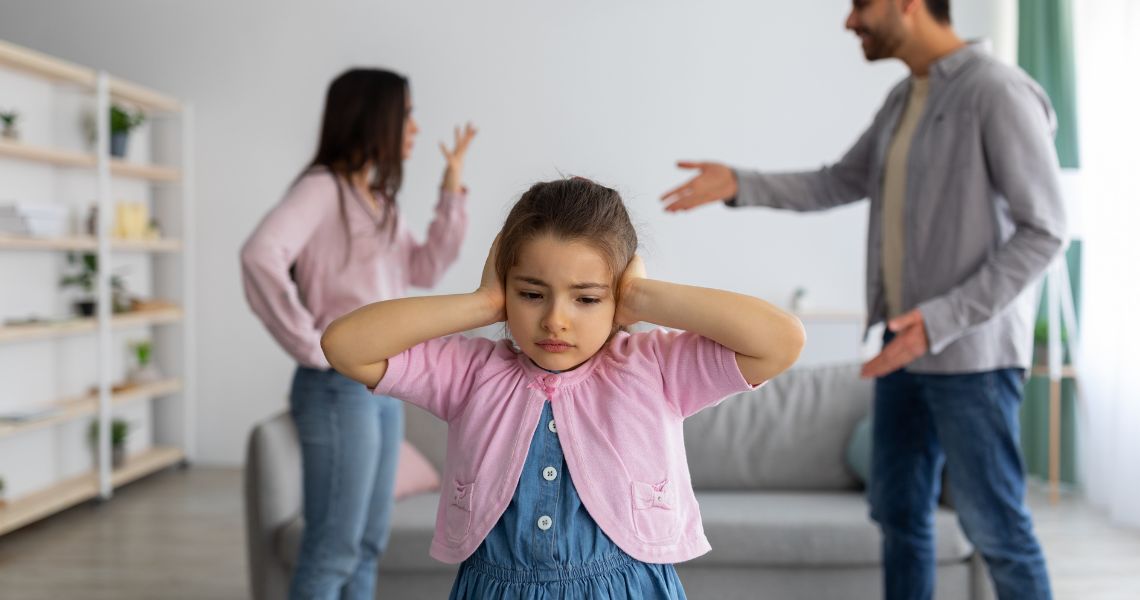
- Big life changes that haven’t been talked about: Divorce, a move, the loss of a family member, or a new sibling can shake a child’s sense of stability. Even when kids seem to be handling it fine on the surface, unresolved feelings about a big change often show up later as behavior problems. Trauma-focused therapy is often used in these cases, especially when the change involved loss or a frightening event.
- Aggression, defiance, or acting out that’s new for them: A child who suddenly starts hitting, yelling, breaking things, or refusing to listen, especially if this is new behavior, is often communicating distress the only way they know how. It’s rarely just about being difficult. Learning healthy ways to express anger is something kids can pick up with the right guidance, and it’s a skill that tends to stick with them.
What These Signs Have in Common
Most of these signs share one thing: they represent a change from how your child usually is. Therapists are trained to notice these shifts and figure out what’s driving them, whether it’s anxiety, a reaction to a life event, or something else entirely. Family counseling can also help when the whole household is feeling the effects of a child’s struggles, since kids often respond better when parents are part of the process too.
It also helps to remember that asking for help doesn’t mean something is broken. Kids go through phases where they need more support, the same way adults sometimes do. A parent who notices these signs early and reaches out is doing exactly what a good parent should do.
| Sign | Might Be Normal If... | Worth a Closer Look If... |
|---|---|---|
| Mood changes | Lasts a few days after a hard event | Lasts several weeks with no clear cause |
| Sleep trouble | Happens once in a while | Happens most nights for a month or more |
| School struggles | One low grade or a rough week | A pattern across several weeks or subjects |
| Withdrawal from friends | Wants a quiet weekend | Avoids friends for weeks at a time |
| Physical complaints | Occasional stomachache before a test | Frequent complaints with no medical cause |
This table isn’t meant to replace a professional opinion. It’s just a rough guide to help you think through what you’re seeing at home.
How Therapy Actually Helps

A lot of parents picture therapy as something only for kids in crisis. In reality, most children who go to therapy are dealing with everyday struggles, like anxiety, trouble with friendships, or adjusting to a change at home. A therapist gives kids a space to talk that isn’t home or school, which can make it easier for them to open up.
Therapists working with children often use play, drawing, or age-appropriate conversation instead of sitting down and asking direct questions the way you might with an adult. This approach helps kids express things they don’t have the words for yet. Over time, many children build coping skills they carry with them well beyond childhood, and parents often notice improvements in behavior at home as well. Session frequency looks different for every family, and how often a child should go to therapy usually comes down to what the therapist recommends after the first few visits.
Talking to Your Child About Therapy
How you introduce the idea of therapy to your child matters. Framing it as a punishment or something that’s wrong with them can make kids resistant before they even walk in the door. It helps to explain therapy as a place to talk about feelings with someone whose job is to listen and help, similar to how a doctor helps with a sore throat.
Kids also pick up on a parent’s own anxiety about the process. If you’re calm and matter of fact about it, your child is more likely to be too. It’s okay to admit you don’t have all the answers. Saying something like “I noticed you’ve seemed sad lately and I want to make sure you have someone to talk to” goes a long way.
Taking the Next Step With Confidence
Noticing these signs in your own child can bring up a mix of guilt, worry, and uncertainty. None of that means you’ve done anything wrong. Kids face real pressures, and sometimes those pressures need more support than a parent alone can give, no matter how much love and effort you put in.
If several of these signs sound familiar, it may be worth having a conversation with a professional who works with children and families. Getting support early often makes a real difference, both for your child now and for the habits they carry into adulthood. If you’re not sure where to start, reach out to The HELP Clinic and talk to someone who can help you figure out the next step.
Frequently Asked Questions
At what age can a child start therapy?
Children as young as three or four can benefit from therapy, especially play-based approaches. Therapists adjust their methods based on the child’s age and developmental stage.
How long does child therapy usually take?
It varies widely. Some kids see improvement in a few months, while others benefit from ongoing support for a year or more, depending on what they’re working through.
Will my child have to talk about their feelings directly?
Not necessarily. Many child therapists use play, art, or storytelling to help kids express themselves, especially with younger children who don’t yet have the words for complex emotions.
What if my child refuses to go to therapy?
This is common, especially at first. A good therapist knows how to build trust gradually. Framing the first session as just a conversation, rather than a fix, can lower resistance.
Can therapy help even if my child doesn't have a diagnosis?
Yes. Many children go to therapy for everyday stress, family changes, or social struggles without any formal diagnosis. Therapy can be preventive as well as responsive.