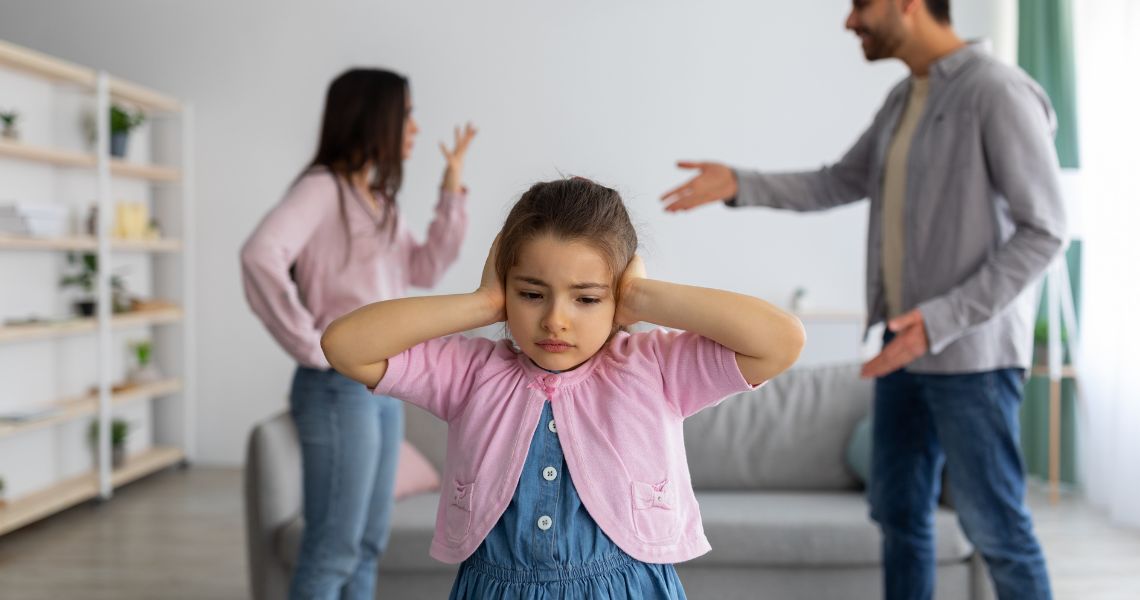

If you are thinking about starting therapy but are not sure which kind fits your situation, you are not alone. A lot of people get stuck on this question. Should you go in with your partner? Should you start on your own first? Is one better than the other?
The honest answer is that it depends. Both types of therapy are useful, but they work on different things. Knowing what each one focuses on can help you figure out which makes more sense for where you are right now.
What Is Individual Therapy?

Individual therapy is one-on-one work between you and a therapist. The focus is entirely on you. You talk through your thoughts, feelings, patterns, and personal history in a private space where there is no other person in the room.
It works well for personal mental health concerns like anxiety, depression, trauma, or anger. But it is also worth considering when relationship problems are affecting you personally and you want to understand your own part in those patterns, whether before or alongside any couples work.
Individual therapy tends to be a good starting point when:
- You are dealing with a personal mental health condition such as anxiety, depression, or PTSD
- You have a history of trauma that keeps coming up in your relationship
- You struggle with anger, emotional regulation, or communication on your own
- You want to understand your own patterns before doing couples work
- Your partner is not ready or willing to attend therapy together
- You are working through a major personal decision, like whether to stay in a relationship
- You feel like your sense of self has been lost inside the relationship
What Is Couples Therapy?
Couples therapy involves both partners working with a therapist together. The relationship is the focus, not either person individually. A therapist helps both of you understand what is driving the conflict, work on how you communicate, and make changes that both people can actually live with.
Couples and marriage counseling typically uses methods like Emotionally Focused Therapy (EFT), communication skills work, and trust-building techniques. The goal is not to figure out who is right or wrong. It is to help both people feel heard and to work through the parts of the relationship that have broken down.
Couples therapy tends to be a good fit when:
- You keep having the same argument and nothing changes after it
- Communication has broken down or one of you has pulled back from talking openly
- Trust has been damaged by infidelity, dishonesty, or a serious breach
- You feel emotionally cut off from your partner even when you are together
- A major life change like a new baby, job loss, or grief is putting strain on the relationship
- You want to get ahead of small tensions before they become bigger problems
- Both of you are willing to come in and put effort into the process
How They Are Different
It helps to look at both side by side.
| Features | Individual Therapy | Couples Therapy |
|---|---|---|
| Who attends | You alone | Both partners |
| Main focus | Your personal thoughts, feelings, and patterns | The relationship between you both |
| What it addresses | Anxiety, depression, trauma, personal history | Communication, trust, conflict, connection |
| Best for | Personal mental health, self-understanding | Relationship problems both partners want to work on |
| Who drives the sessions | You and your therapist | Both partners and the therapist together |
| Privacy | Fully confidential to you | Shared space, no individual secrets kept from the other |
Can You Do Both at the Same Time?
There are situations where a personal issue is directly affecting the relationship. Someone dealing with untreated trauma, substance use, or severe depression may not get much out of couples sessions until those things are being addressed on their own. In those cases, starting with individual therapy first is the more practical call.
Other times, couples work brings up personal things a person wants to dig into separately. That happens fairly often. The two can run alongside each other without any problem, as long as both therapists know about the overlap.
One thing worth knowing: if you are already seeing an individual therapist and want to add couples work, it is generally better to keep them separate. Your individual therapist holds things you have shared in confidence. Asking them to step into a couples role puts them in a difficult spot, and most will say so themselves.
When Individual Therapy Comes First

There are a few situations where starting with individual therapy makes more sense, even when the main concern is the relationship.
Trauma and personal history: If you carry unresolved trauma, especially from childhood or past relationships, those patterns tend to show up in how you respond to a partner. A couples therapist can only work with what both people bring into the room. Dealing with the trauma separately first often makes the couples work more productive down the track.
One partner is not ready: Couples therapy only works when both people are genuinely willing to be there. If your partner refuses to go, that does not mean you have to stay stuck. Individual therapy gives you a place to work through what you are feeling and work out what you want, regardless of what your partner chooses to do.
Safety concerns: If there is any kind of emotional or physical abuse in the relationship, couples therapy is not the right first step. A shared session is not a safe setting when there is a power imbalance. Individual support should come first. A therapist can help you think through what the options are from there.
When Couples Therapy Is the Right Starting Point
If the main problem is between the two of you rather than something one person is carrying, couples therapy is usually the better place to start.
Repeated arguments that go nowhere, a breakdown in communication, or a growing distance between partners are things happening in the relationship, not just inside one person. One person working on themselves can help to a point, but it does not usually change the pattern between you. Those patterns involve both people, so both people need to be part of working through them.
If you have already come across some of the signs that couples therapy might help and a few of them feel familiar, that is worth paying attention to. Getting support earlier tends to go better than waiting until things have worn both of you down.
A Few Questions Worth Asking Yourself
If you are still not sure where to start, these questions can help:
- Is what I am struggling with mainly about me, or mainly about what happens between us?
- Are there personal issues I have been carrying for a long time that keep pulling my partner in?
- Is my partner willing to come to therapy together?
- Do I feel safe speaking openly in a session with my partner present?
- Have the problems between us come from something I am dealing with personally, or from how we relate to each other?
There are no correct answers. They are just worth thinking through before you decide.
The Right Support Starts With the Right Fit
There is no single correct answer to whether you need couples therapy or individual therapy. For some people, personal work comes first. For others, the relationship issues are so central that starting together makes more sense. And for some, doing both at different points is what ends up helping most. What matters is that you are getting some kind of support rather than waiting for things to sort themselves out on their own.
Both individual therapy and couples counseling are available at The HELP Clinic in South Ogden, UT. The therapists here work with individuals, couples, and families across a range of concerns, from anxiety and trauma to communication problems and trust issues. If you are not sure which type of support fits your situation, that is something the team can help you think through before your first session. Call (801) 458-1356 or book an appointment online to get started.
Frequently Asked Questions
Can I switch from individual therapy to couples therapy later?
Yes. Many people start with individual therapy and move into couples work once they feel ready, or once their partner comes around to the idea. There is no set order you have to follow. What matters is that the timing makes sense for both of you.