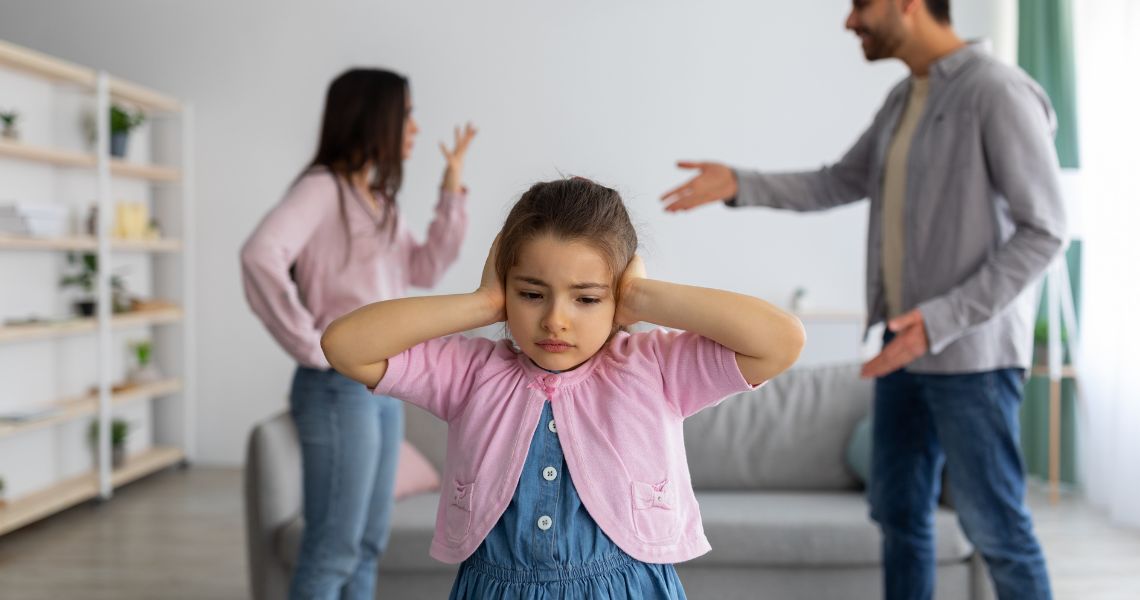

Every relationship goes through hard patches. That is normal. But sometimes the tension does not lift. The same arguments keep coming back. The distance between you and your partner grows a little more each week. And after a while, it starts to feel like you are both trying to hold something together but cannot quite get a grip.
A lot of people wait too long before getting support, often hoping things will sort themselves out. Sometimes they do. But other times, the patterns causing harm just keep repeating. Knowing the signs that professional help could make a difference is a good way to get ahead of that.
Here are five signs that couples counseling might be worth considering for your relationship.
1. You Keep Having the Same Argument

Most couples have disagreements. That is part of sharing a life with someone. But there is a difference between a one-off argument and the same fight happening over and over again, sometimes almost word for word.
When conflicts repeat without resolution, it is usually a sign that something deeper is going on. The surface issue might be about chores, money, or time. But underneath, there are often unmet needs, fears, or communication patterns that neither person has the tools to work through alone. A therapist helps both partners look past the surface to understand what is actually driving the conflict.
Some common patterns that keep repeating include:
- One partner shuts down while the other pushes to keep talking
- Small frustrations quickly escalate into larger blowups
- Apologies happen but nothing actually changes afterward
- Both people feel unheard even after long conversations
- Topics get avoided because bringing them up always leads to conflict
If any of these feel familiar, it does not mean anything is permanently broken. It means the pattern needs to change, and that is something therapy is set up to help with.
2. Communication Has Broken Down

Good communication does not mean never disagreeing. It means being able to talk honestly without things going sideways. When communication breaks down, even small conversations can feel loaded or exhausting.
This might look like tiptoeing around certain subjects, or feeling like whatever you say gets misread by your partner. It can also go the other way, where conversations that should be simple turn into long, tense exchanges that leave both people feeling worse. Over time, many couples start to just say less. The relationship gets quieter, but not in a comfortable way.
Signs that communication may be struggling:
- You feel like your partner does not really listen, or vice versa
- You have stopped bringing up things that bother you because it never goes well
- Conversations often end with one or both of you feeling attacked or defensive
- You and your partner talk less than you used to
- Important decisions get avoided because discussing them causes tension
A therapist can help both people slow down, understand what is actually being said, and respond in ways that do not make things worse. Over time, those small shifts can change the whole tone of a relationship.
3. Trust Has Been Damaged

Trust takes a long time to build and can be broken in many different ways. Some breaches are obvious, like infidelity or a significant lie. Others are more gradual, like a slow accumulation of small let-downs that eventually adds up to doubt.
Once trust is damaged, it affects almost everything in a relationship. It can make ordinary situations feel suspicious. It can lead to one partner needing constant reassurance while the other feels unfairly watched. Both partners need space to speak honestly, and someone neutral to help make sure those conversations do not spiral.
Trust issues that couples therapy can address include:
- Recovering after an affair or emotional infidelity
- Rebuilding after dishonesty about finances, addiction, or other significant matters
- Working through jealousy or insecurity that has become a recurring problem
- Repairing the relationship after a period of emotional withdrawal or neglect
- Re-establishing trust after a major breach that has never been fully addressed
Trust rarely repairs itself without both people actively working on it. The goal is not to pretend the hurt did not happen but to find a way through it that actually holds.
4. Emotional Distance Has Grown
You can live with someone, share a home, and still feel miles apart. Emotional distance is one of the quieter warning signs in a relationship. It does not always involve conflict. Sometimes it just looks like indifference, or going through the motions together without much feeling behind it.
This kind of disconnection tends to build slowly. One person withdraws a little. The other stops reaching out quite as much. Then the gap grows. Conversations stay shallow. Intimacy fades. At some point, couples realize they have drifted but cannot quite figure out when it started or how to close the distance.
Signs of emotional distance in a relationship:
- You share the same space but feel more like roommates than partners
- Physical or emotional intimacy has decreased significantly
- You no longer share personal thoughts or feelings with each other
- You feel lonely even when your partner is right there
- You have both stopped making an effort to connect
Emotional distance can be reversed, but it usually requires both people to actively work at it. Approaches like Emotionally Focused Therapy are specifically designed to help partners reconnect at a deeper level, not just get along on the surface.
5. A Major Life Change Is Putting Pressure on the Relationship

Big life transitions are hard, even when they are positive ones. Moving, having a child, losing a job, a health diagnosis, a family loss, or any major shift in circumstances can change the dynamic between two people in ways that are hard to predict.
Stress from outside the relationship very often makes its way inside it. Partners who were doing fine might suddenly find themselves snapping at each other, withdrawing, or struggling to be the support the other person needs. That is not a character flaw. It is what happens when a relationship is carrying more weight than usual without the tools to handle it.
Transitions that often create relationship strain:
- Becoming parents for the first time or adding to the family
- A significant financial change, such as job loss or increased debt
- Moving to a new city or country, away from existing support networks
- Caring for aging parents or a family member with health issues
- Navigating a health crisis affecting one or both partners
- Dealing with grief or loss together
Working through strain while it is still manageable is much easier than waiting until it has caused lasting damage. For transitions that affect the wider family unit, family counseling can also be a useful space to work through what everyone is adjusting to.
Some Relationships Just Need a Little Help
One of the most common questions couples have is how bad things need to get before therapy makes sense. The honest answer is that you do not have to wait for a crisis. Research has consistently shown that couples who seek support earlier tend to get more out of it. When both people are still engaged and motivated, the process moves faster and the results last longer.
Therapy is not only for relationships in serious trouble. Some couples come in because they want to communicate better before things get harder. Others come in because one sign from the list above has been sitting in the back of their mind for a while. Some are dealing with a specific issue like anger or trauma that is starting to affect the relationship. Whatever the reason, if one or more of these signs feels familiar, it is worth taking seriously. The HELP Clinic offers couples and marriage counseling in South Ogden, UT. Call the team at (801) 458-1356 or book an appointment online to get started.