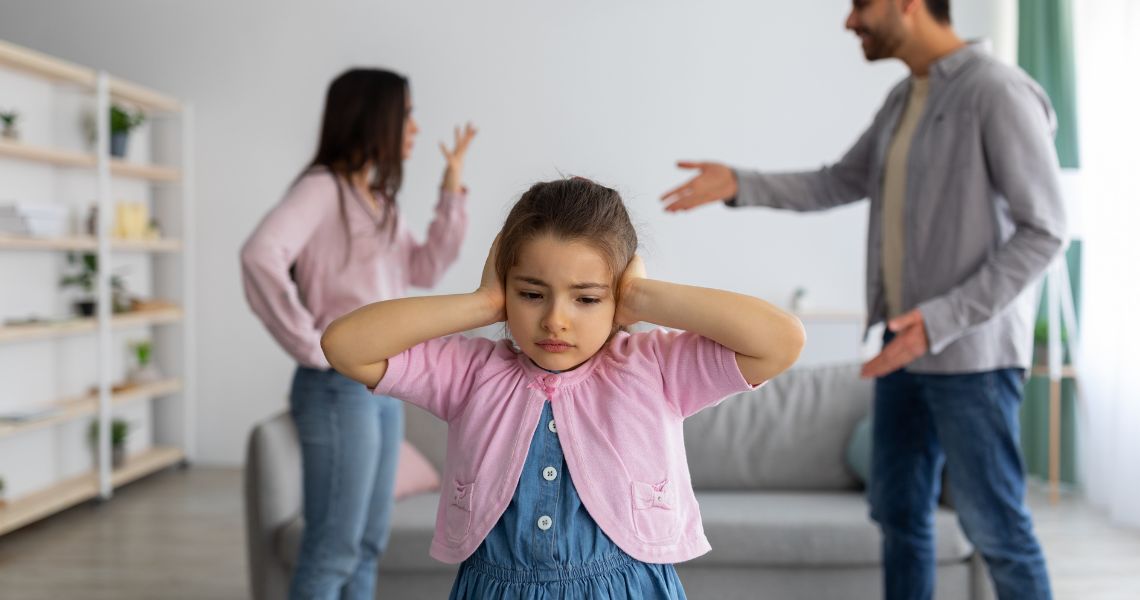

Families are complicated. You love each other, but that doesn’t stop the arguments, the silence, the hurt feelings, or the distance that can build up over time. A lot of families go through hard stretches and just wait for things to settle down on their own.
Sometimes that works. A lot of times, it doesn’t. Family counselling isn’t a sign that something is deeply wrong. It’s just one of the ways families get support when things feel stuck.
What Is Family Counselling?

Family counselling (also called family therapy) is a type of mental health support where a trained therapist works with the whole family unit. Not just one person. Not just the child who’s struggling, or the parent who’s burnt out. Everyone.
Most family problems don’t come from a single person doing something wrong. They come from patterns that have built up over time, things like how people communicate, how conflict gets handled, how stress moves through the household. A therapist helps everyone see those patterns and figure out where to go from there.
Who Goes to Family Counselling?
Family counselling isn’t only for families in crisis. It’s also useful for families that feel a little stuck, or disconnected, or like they’re having the same argument on a loop without getting anywhere.
Here’s a look at some situations where family therapy tends to help:
| Situation | How Therapy Can Help |
|---|---|
| Frequent arguments or conflict | Teaches different ways to disagree and work through tension |
| Divorce or blended family adjustments | Helps everyone process change without leaving people behind |
| A child struggling at school or emotionally | Looks at the family dynamic, not just the child's behaviour |
| Grief or major life transitions | Gives space to process loss together rather than separately |
| Communication breakdown | Builds listening and expression skills over time |
| Parenting disagreements | Helps parents work out a more consistent approach |
| Trauma affecting the household | Supports the family in a structured, neutral setting |
10 Benefits of Family Counselling

1. It Improves How Families Communicate
Poor communication causes a lot of damage in families. People talk past each other. Someone shuts down. Someone else raises their voice. And nobody ends up feeling heard.
Family therapy gives everyone a chance to practice speaking and listening differently. With a neutral person in the room, it’s easier to stay calm and stay on topic. The therapist can point out patterns that family members might not notice they’re in. Over time, how people talk to each other at home starts to change.
2. It Helps Break Recurring Conflict Cycles
Every family has that argument that won’t go away. Maybe it’s about money, or parenting, or something that happened years ago and keeps getting brought back up.
When conflicts repeat, it usually means something underneath hasn’t been dealt with. Family therapy helps identify what that is. The therapist isn’t there to decide who’s right. They’re there to help people understand each other better, and that shift can stop a cycle that’s been running for years.
3. It Rebuilds Trust After Damage
Trust breaks in a lot of ways. A lie, an addiction, an affair, a long stretch of emotional distance, or just years of small let-downs. Once it’s damaged, it doesn’t come back just because both people want it to.
Rebuilding trust takes structure. Family therapy gives people a chance to be honest in a setting where that honesty doesn’t immediately turn into a fight, and to slowly re-establish reliability with each other over time.
4. Children and Teenagers Often See Real Gains
Children don’t always have the words for what they’re feeling. They show it instead. Moodiness, withdrawal, school problems, behaviour changes. These are often signs that something is happening at home that the child doesn’t know how to process.
Family therapy helps parents understand what their child is actually experiencing. It also gives kids a space where they can be more honest. Research shows that children tend to do better emotionally and academically when family communication improves. The patterns they learn in therapy also tend to carry into how they handle relationships later on.
5. It Helps Families Adjust to Major Life Changes
Life changes are hard even when they’re expected. A new baby, a move, a job loss, a death, divorce, remarriage. These events shift the whole structure of a household, and not everyone adjusts at the same pace.
Family counselling gives everyone room to process what’s happening in their own way, without losing the thread of connection with each other. The therapist helps the family find a way to function that fits where they actually are, not where they were before.
6. It Addresses Mental Health Across the Household
Mental health struggles don’t stay contained to one person. When someone in the family is dealing with depression, anxiety, trauma, or addiction, it affects everyone around them. Partners, children, parents. Everyone feels it, even when no one talks about it.
Bringing the family into the support process can also make individual treatment more effective. If a family member is working through anxiety or depression, family sessions can reduce the isolation around that and help the rest of the household understand what’s going on.
7. It Builds Coping Skills That Stick
Family therapy doesn’t just address the immediate problem. It also builds practical skills. How to handle stress without directing it at the people around you. How to hold a limit without it becoming a confrontation. How to say what you need without shutting down or escalating.
These things don’t come naturally to a lot of people. That’s not a flaw. It usually just means no one modelled them. Therapy is often where people learn them for the first time.
8. It Gives Parents a More Consistent Footing
Parenting gets harder when parents aren’t on the same page, or when the daily grind makes it easy to react rather than respond.
Family therapy can include specific parenting support. That means working out how to set boundaries that hold, how to communicate with kids in ways that actually land, and how to stay connected even when everyone’s stretched thin. When parents are more consistent with each other, it tends to reduce the tension that builds around parenting disagreements. Families dealing with high-conflict situations sometimes find that couples counselling runs well alongside family sessions.
9. People Start Actually Listening to Each Other
One of the things families often notice in therapy is that they finally feel heard. Not talked over, not dismissed, not judged.
In a lot of households, that’s harder than it sounds. When people are hurt or defensive, real listening almost never happens. The structure of a therapy session makes it possible. And when someone feels genuinely heard, they tend to become less guarded. That’s usually when useful conversation can start.
10. The Family Gets Better at Handling Future Problems
Families that go through therapy tend to come out with better tools. They understand each other more. They’ve practiced having difficult conversations without things falling apart. They know what patterns to watch for.
Future problems don’t disappear. But the family is in a better position to deal with them without the same level of damage.
Family Counselling vs. Individual Therapy
Both approaches are useful. They just work differently.
| Features | Family Counselling | Individual Therapy |
|---|---|---|
| Focus | The family unit and its dynamics | One person's inner experience |
| Who's in the room | Multiple family members | Usually just the individual |
| Best suited for | Communication, conflict, transitions, parenting | Personal mental health, trauma, anxiety, identity |
| Can they work together? | Yes, often they complement each other | Yes |
A lot of people do both. Someone might see a therapist one-on-one and also take part in family sessions. The two don’t have to be separate.
What Happens in a Family Counselling Session?

The first session is mostly introductory. The therapist asks about the family’s history, what’s been difficult, and what people are hoping to get out of the process. Everyone gets a chance to speak. The therapist isn’t there to assign blame in that first meeting. They’re trying to get a clear picture.
From there, sessions become more focused. Families practice different ways of communicating, work through specific conflicts, and talk about what’s changing and what isn’t. The therapist adjusts based on what’s actually useful for that particular family.
Families Don't Have to Wait Until Things Break Down
A lot of people assume therapy is a last resort. That you only go when something has really gone wrong.
But family counselling is useful at all kinds of stages. The families that tend to get the most out of it are often the ones that come in saying things aren’t terrible, but something isn’t working and they want to figure out what. That’s a reasonable reason to go.
If that sounds familiar, the family counselling team at The Help Clinic in South Ogden works with families across northern Utah. Contact us to book an appointment and start your healing journey today.